Many students with low vision are not struggling because of ability. They are struggling because of access: and, in many cases, the way instruction is delivered reinforces that.
When educators rely on visual tools such as iPads, enlarged print, or limit instruction to opening Word for basic keyboarding, students are left without a true way to access their work or hope for their future. This unintentionally sends a powerful message: that they cannot function independently. Over time, this leads to discouragement, depression, and a growing belief that they have no way to navigate the world on their own.
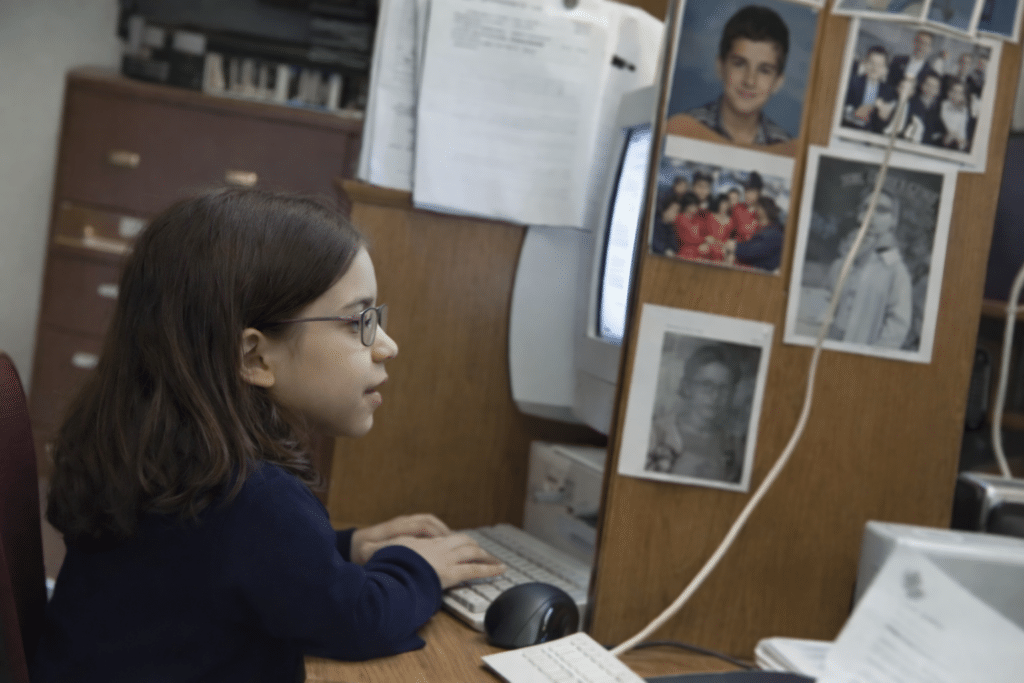
Students then push themselves to use vision that is no longer efficient. They lean in, work inches from the task, and can only read small portions at a time. This is not access—it is strain and frustration.
When students are taught true access—using a computer, screen reader, and strong keyboarding skills, supported by instructors who use these tools daily—everything changes. They begin to work independently, keep pace with peers, and see a future that once felt out of reach.
The issue is not vision. The issue is access and proper technology instruction. Watch the Video of learning keyboarding in a week and speed within 2 months
Other Keyboarding Students:
Blind 4‑Year‑Old and 2nd Grader Race Using Braille Writing Devices
Watch the Video of learning keyboarding in a week and speed within 2 months
Braille Instruction Starts at Age 3 – Early Blind Education Success Story
Blind Student Keyboarding FAST – 10th Grade Research & Writing Independence
Blind 4‑Year‑Old and 2nd Grader Race Using Braille Writing Devices