
Inaccessible Images of Work teachers are buying from inaccessible platforms
Ban inaccessible purchased materials district-wide to prevent Title II failures
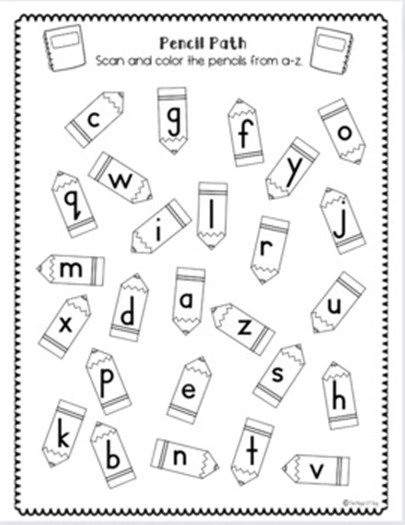
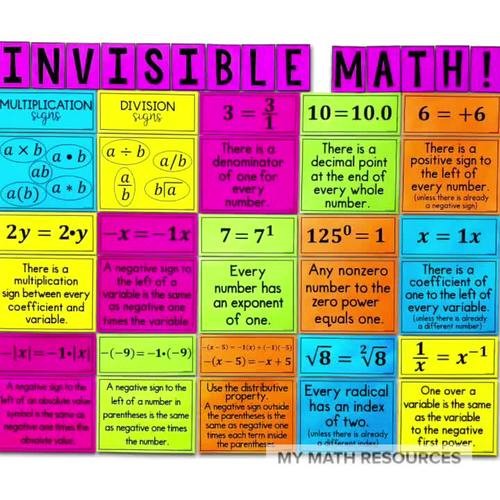

Teachers rely on many marketplace sites for worksheets and classroom materials. These platforms include printable shops, template libraries, curriculum bundles, early childhood packs, subscription marketplaces, and shared teacher resources. Most of this content looks creative, but it is some of the least accessible digital material in education.
These products often come as scanned pages, image-only PDFs, stylized templates, or graphic-heavy worksheets. Blind and deaf students cannot access any of it, and Title II places full responsibility on schools, not marketplace sellers.
Why Marketplace Worksheets Fail Title II
Most marketplace materials violate WCAG 2.1 AA before the lesson begins. Common barriers include:
- Image-only worksheets with no real text
- Scanned files that screen readers cannot read
- Decorative fonts that block OCR
- Graphics replacing questions or math steps
- Worksheets without headings or structure
- Videos without captions or ASL
- Lessons with images that lack alt text
Blind students cannot read these materials. Deaf students cannot access embedded videos or audio instructions. Low-vision students cannot enlarge the content without distortion.
Marketplace content blocks access at the point of instruction, which Title II now prohibits.
Schools Must Stop Using Inaccessible Marketplace Content
Title II holds the school accountable for any material assigned to students.
That includes purchased content—no matter where it came from.
Schools must:
- Remove inaccessible marketplace materials from student access.
- Archive them securely so only the original purchaser can access them.
- Stop assigning inaccessible products, even if purchased with personal funds.
- Approve only accessible content for future lessons.
If this content stays available to students, the school opens itself to complaints, investigations, and penalties.
The Financial and Legal Risks Are Real
A single inaccessible worksheet can trigger:
- OCR complaints
- Federal monitoring
- Required remediation plans
- Staff discipline
- Loss of employment for repeated violations
Marketplace sellers face no consequences.
Schools and teachers do.
Other Marketplaces Also Cause Problems
This issue extends far beyond one platform. Barriers appear across:
- Printable shops
- Early childhood curriculum sites
- Pinterest-style bundles
- Etsy printable sellers
- Canva template libraries
- Subscription curriculum platforms
- Teacher “side job” shops
- Commercial worksheet sites
- Too Many to State here
If the file is image-based, untagged, or graphic heavy, it likely violates WCAG.
Schools must apply the same standard everywhere:
If it is not accessible, it should not be used.
Why Remediation Usually Fails
Teachers often try to “fix” marketplace worksheets. Most cannot be repaired.
Reasons include:
- Scanned pages contain no text to tag
- OCR destroys the layout
- Math is stylized and unreadable
- Reading order is broken
- Copyright prohibits modification
Rebuilding is often easier than remediation.
What Schools Must Do Now
Schools need a clear, enforceable plan:
- Ban inaccessible purchased materials district-wide.
- Adopt accessible worksheet templates for all staff.
- Train teachers to spot inaccessible formats instantly.
- Create accessible master curriculum built from scratch.
- Require vendors and marketplaces to meet WCAG 2.1 AA.
- Audit all teacher-purchased content before it reaches students.
- Work with blind and deaf access specialists who test content daily.
This protects students and reduces legal exposure for teachers and districts.
Why This Matters Most
Blind and deaf students lose learning time every day because marketplace content excludes them. They fall behind before the lesson even begins.
Title II changes that.
Schools must choose materials that include everyone, not just those who can see or hear the content.
Closing Note: Access Starts With What Schools Buy
Teachers want to help their students. Most do not realize the materials they purchase create the very barriers Title II now forbids. Schools protect students and staff when they stop buying inaccessible content and build accessible materials from the start.
DOJ Title II Explained
A New Era of Access: How DOJ’s New Title II Rule Transforms Education for Every Child in America
Why K–12 Is Scrambling: What the DOJ’s Title II WCAG 2.1 Rule Means for Every School District
DOJ Title II Requires Web Content Accessibility : What Schools Must Do Next
Private Schools and Title II With Teeth: How the New DOJ Accessibility Rule Changes Everything
Title II Meaning for Vocational Rehabilitation and Adult Rehab Centers
Penalties for Noncompliance With DOJ Title II and WCAG 2.1 AA Requirements
Title II Non-Compliance Can Lead to Job Loss in K–12 Schools and Colleges
Fix Digital Accessibility Before Title II Enforcement-April 24, 2026