
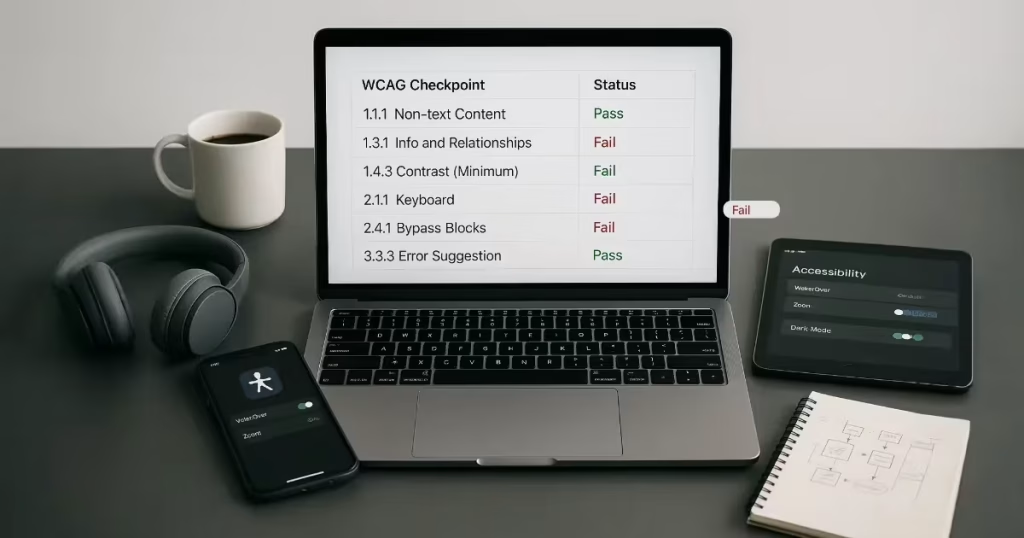
K–12 isn’t just panicking — they’re in a full‑scale scramble, and for reasons that are even more urgent than higher ed. The DOJ’s Title II rule hits K–12 systems right where they’re already stretched thin: staffing, training, legacy content, and compliance culture.
Here’s the landscape, laid out clearly and grounded in what districts are now realizing.
Why K–12 districts are suddenly alarmed about the Title II WCAG 2.1 rule
1. Districts assumed “accommodations” were enough — now they’re not
For decades, K–12 has relied on:
- TVIs to “fix” inaccessible content
- Disability services to retrofit materials
- Parents to advocate
- Students to “make do”
The new rule requires proactive accessibility, not reactive fixes.
That’s a seismic shift.
2. K–12 has enormous accessibility debt — bigger than higher ed in some ways
Districts are realizing they must remediate:
- Thousands of PDFs
- Teacher‑made worksheets
- Google Classroom content
- LMS modules
- Vendor platforms
- Parent portals
- IEP systems
- School websites
- Mobile apps
Most of this content was never designed with WCAG in mind.
3. Teachers generate inaccessible content every single day
This is the part that’s scaring administrators.
Every day teachers create:
- Google Docs
- Slides
- Worksheets
- Videos
- Scanned PDFs
- Classroom posts
Almost none of it meets WCAG 2.1 AA.
And now it legally must.
4. Districts don’t have accessibility governance
Most K–12 systems lack:
- A digital accessibility policy
- A compliance officer
- A remediation workflow
- A content review process
- Training for staff
- A way to monitor thousands of pages
They’re realizing they need infrastructure, not just training.
5. Vendors are a huge liability
Districts rely on:
- Curriculum platforms
- Assessment systems
- Parent communication apps
- Scheduling tools
- Payment portals
- Transportation apps
Many of these tools are not WCAG 2.1 AA compliant, and the DOJ rule makes the district responsible for the accessibility of third‑party tools.
This is causing real panic.
6. The deadlines are tight for K–12 too
Large districts (50,000+ population) must comply by April 2026.
Smaller districts by April 2027.
Given the volume of content and the lack of staff, these timelines feel impossible to many administrators.
7. OCR complaints are already rising
Families are becoming more aware of their rights.
Advocacy groups are watching.
Blind/low‑vision access issues are among the most common complaints.
Districts know enforcement is coming.
What this means for an accessible world
This rule gives you extraordinary leverage because it legally validates everything people have been advocating for so long:
- Real‑time access
- Non-visual design
- Proper alt text
- Accessible math (Nemeth, tactile, digital)
- Keyboard‑only navigation
- Accessible PDFs
- Structured documents
- Captioned and described media
- Accessible learning platforms
Districts can no longer say:
“Just give the student an accommodation.”
or
“We’ll fix it when needed.”
Now they must design access from the start.
DOJ Title II Explained
A New Era of Access: How DOJ’s New Title II Rule Transforms Education for Every Child in America
Why K–12 Is Scrambling: What the DOJ’s Title II WCAG 2.1 Rule Means for Every School District
DOJ Title II Requires Web Content Accessibility : What Schools Must Do Next
Private Schools and Title II With Teeth: How the New DOJ Accessibility Rule Changes Everything
Title II Meaning for Vocational Rehabilitation and Adult Rehab Centers
Penalties for Noncompliance With DOJ Title II and WCAG 2.1 AA Requirements
Title II Non-Compliance Can Lead to Job Loss in K–12 Schools and Colleges