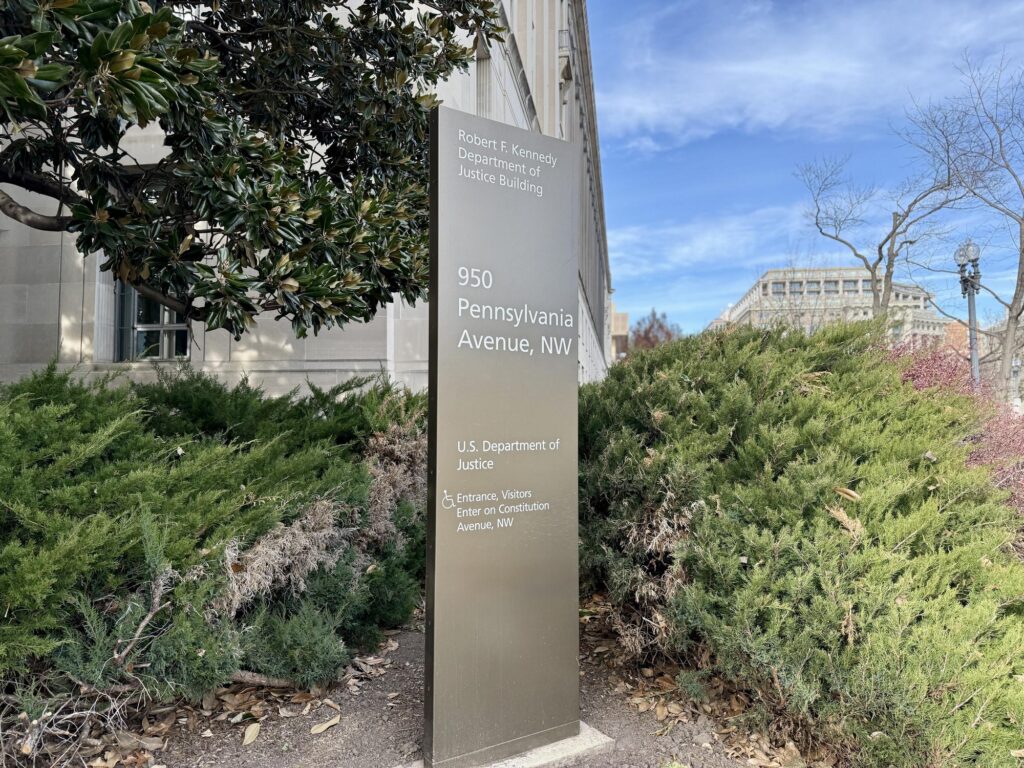
The rule was created, written, and finalized by the U.S. Department of Justice (DOJ).
Specifically, it came from the Civil Rights Division, which is responsible for enforcing the Americans with Disabilities Act (ADA).
The DOJ explains that it followed the full federal rule-making process — drafting, public comment, revisions, and final publication in the Federal Register on April 24, 2024.
How Did It Get Through?
The rule went through the formal federal regulatory process:
1. DOJ drafted the rule
The Civil Rights Division identified widespread digital barriers in state and local government services — including schools — and drafted a rule to address them.
2. Public comment period
Thousands of disability advocates, parents, educators, and organizations submitted comments urging the DOJ to adopt WCAG 2.1 AA.
3. DOJ revised the rule
They incorporated feedback, clarified requirements, and finalized the technical standard.
4. Final rule published
The rule was officially published in the Federal Register on April 24, 2024.
Once published, it became binding law.
Why Now?
The DOJ gave several reasons in its fact sheet:
1. Government services have moved online
Schools, colleges, and agencies now rely heavily on websites, apps, portals, and digital documents. When these are inaccessible, people with disabilities are excluded from essential services.
2. Digital barriers were widespread and harmful
The DOJ cited examples like blind users being unable to access images without alt text, inaccessible forms, and barriers to participating in school and civic activities.
3. The ADA had no technical standard
For 30+ years, the ADA required access but never named a specific digital standard. This rule finally closes that gap.
4. Pressure from states and lawsuits
States like Colorado had already passed strict digital accessibility laws, and courts were increasingly using WCAG as the de facto standard.
The DOJ needed a unified national standard.
So Who Is the Person Behind It All?
There is no single individual publicly credited as “the architect” of the rule — because federal regulations are created by teams, not one person.
But the driving force is:
The U.S. Department of Justice Civil Rights Division
They are the ones who:
- Identified the problem
- Drafted the rule
- Collected public comments
- Finalized the WCAG 2.1 AA requirement
- Published the rule in the Federal Register
This is the same division responsible for ADA enforcement nationwide.
If you want to name the entity behind the change, it is:
The DOJ Civil Rights Division — the federal body responsible for protecting the rights of people with disabilities.
They pushed it.
And wrote it.
They finalized it.
And enforce it.
And they did it because inaccessible digital content was excluding millions of Americans from essential public services — including education.
“The U.S. Department of Justice Civil Rights Division is the force behind this new rule. They created it to ensure that every child with a disability can finally access their education in real time.”
DOJ Title II Explained
A New Era of Access: How DOJ’s New Title II Rule Transforms Education for Every Child in America
Why K–12 Is Scrambling: What the DOJ’s Title II WCAG 2.1 Rule Means for Every School District
DOJ Title II Requires Web Content Accessibility : What Schools Must Do Next
Private Schools and Title II With Teeth: How the New DOJ Accessibility Rule Changes Everything
Title II Meaning for Vocational Rehabilitation and Adult Rehab Centers
Penalties for Noncompliance With DOJ Title II and WCAG 2.1 AA Requirements
Title II Non-Compliance Can Lead to Job Loss in K–12 Schools and Colleges