For decades, families of children with disabilities have carried a quiet, heavy burden.
You’ve watched your child struggle to access schoolwork that wasn’t designed for them.
And You’ve fought for accommodations that came too late — or didn’t come at all.
You’ve watched your child work twice as hard for half the access.
You’ve been told to “wait,” “be patient,” or “we’ll try.”
But now, something extraordinary has changed. Those educational systems that do not comply will feel the impact as families who are affected by inaccessible schools have power to change what is happening.
In April 2024, the U.S. Department of Justice issued a landmark update to Title II of the Americans with Disabilities Act, requiring every public school, college, and state/local government to make their websites, digital learning platforms, documents, videos, and mobile apps accessible by following WCAG 2.1 Level AA — the most widely recognized accessibility standard in the world.
This is not a suggestion.
It is not a guideline.
This is federal law.
And for the first time, every child with a disability has a clear, enforceable right to full, equal, real‑time access to their education.
What This Means for Your Child — No Matter Their Disability
This rule protects children with:
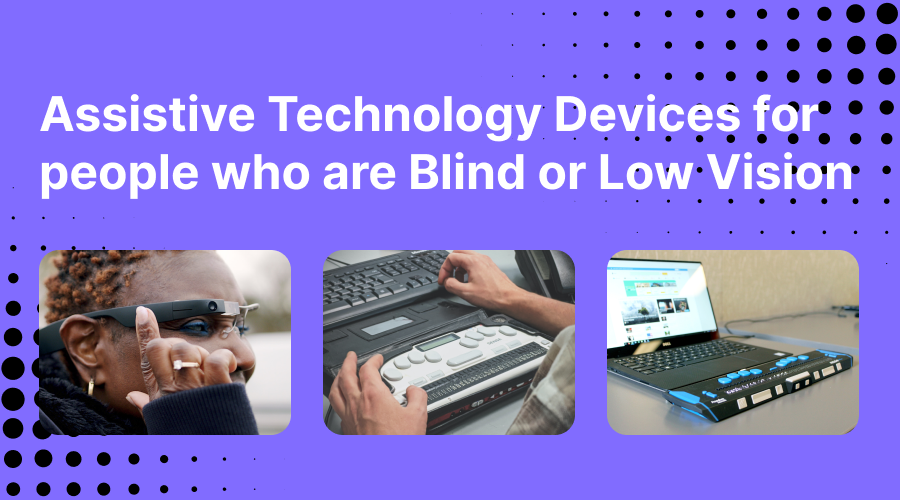
- Blindness or low vision
- Deafness or hearing loss
- Learning disabilities
- Cognitive disabilities
- Autism
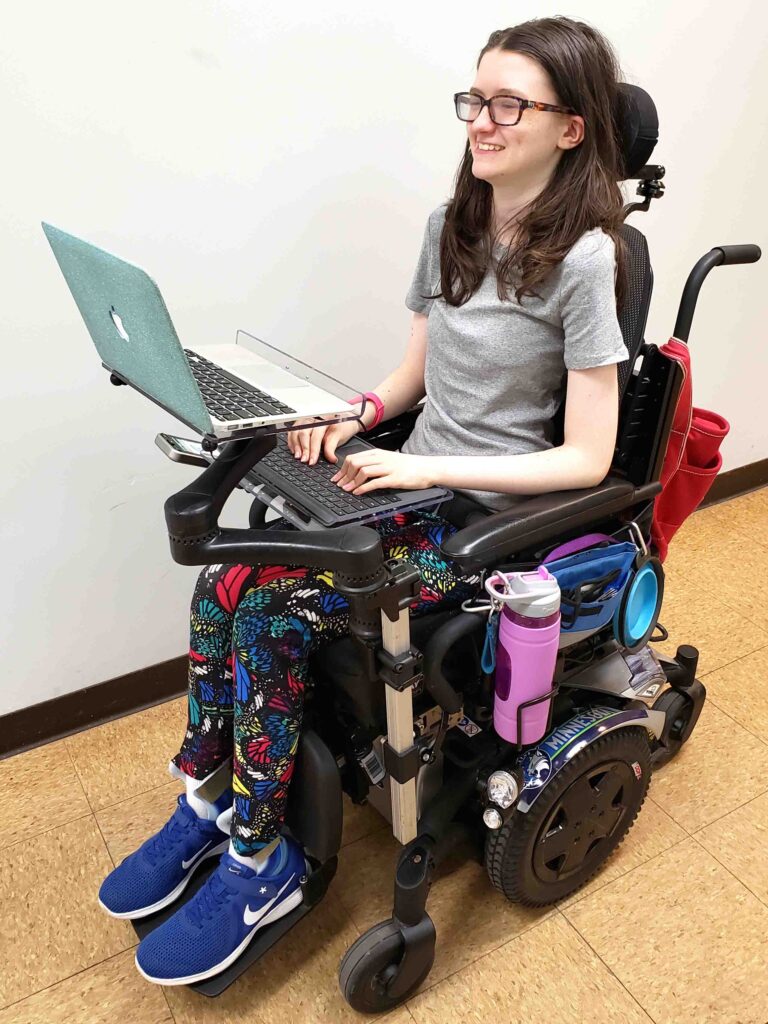
- Mobility impairments
- Speech/language disabilities
- Chronic health conditions
- Multiple disabilities
Every child who needs accessible digital content is now covered.
Your child now has the right to:
- Access schoolwork at the same time as their peers
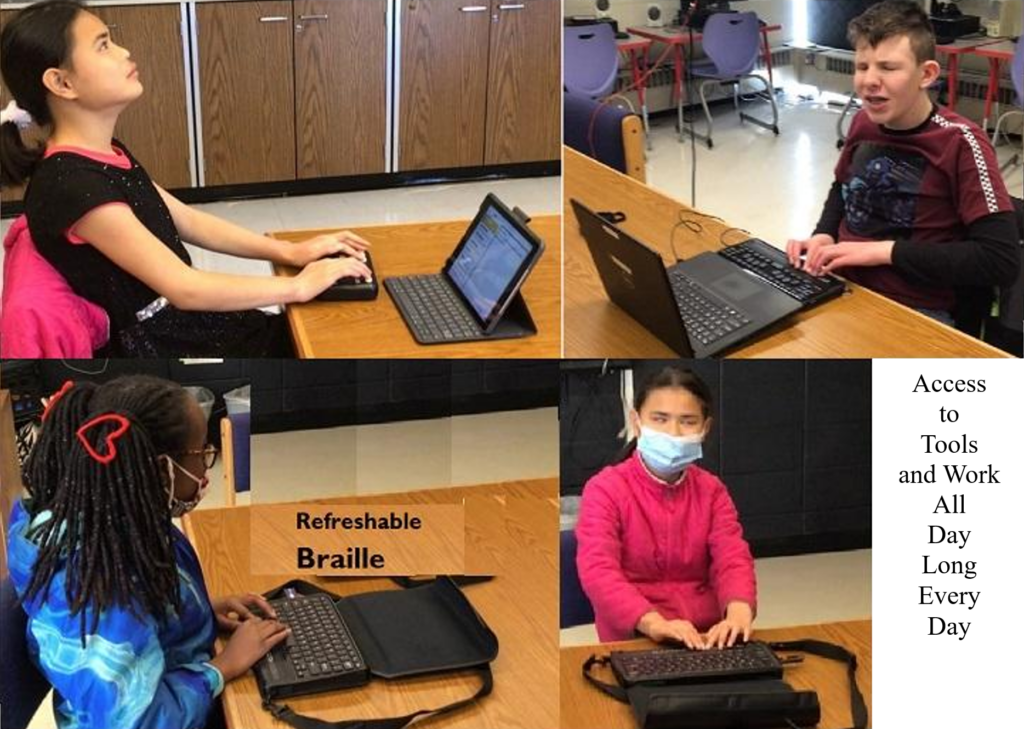
- Use assistive technology without barriers
- Receive accessible videos, documents, and online lessons
- Navigate school websites and apps independently
- Participate fully in online learning
- Receive materials in formats that work for them
- Learn without waiting for someone to “fix” inaccessible content
This is the strongest protection children with disabilities have ever had.
Why This Rule Is a Turning Point
For years, schools relied on “accommodations” — reactive fixes that often came too late.
This rule requires proactive accessibility, meaning:
- Teachers must create accessible materials from the start
- Districts must train staff
- Vendors must provide accessible platforms
- Colleges must ensure accessible admissions, financial aid, and coursework
- Schools must test content for accessibility
- Students must receive equal access in real time
This is a complete shift in how education must operate.
Why This Is Good News — Even If Schools Are Scrambling
Yes, schools and colleges are panicking.
They are overwhelmed.
Yes, they are realizing how much work they must do.
But that panic is not a bad thing.
It means the system is finally being held accountable.
That families no longer have to beg for access.
It means students no longer have to wait.
It means the law is finally on your child’s side.
For the first time, the federal government has said clearly:
“Your child deserves equal access — and schools must provide it.”
What This Means for Teachers
Teachers are not expected to become accessibility experts overnight.
But they are expected to learn the basics of accessible design — and districts are required to train them.
This rule gives teachers:
- Clarity
- Structure
- Support
- Training
- Tools
- A roadmap
And it gives them the ability to reach every learner, not just those who can see, hear, read, or process information in typical ways.
What This Means for Families
You now have:
- A clear legal standard
- A federal rule with deadlines
- A right to accessible digital content
- A right to equal participation
- A right to real‑time access
- A right to file complaints if access is denied
You no longer have to accept:
- “We don’t know how”
- “We’ll fix it later”
- “We don’t have time”
- “We don’t have training”
- “We didn’t think about that”
Your child’s right to access is no longer negotiable.
What This Means for Students
This rule opens the door to:
- Independence
- Confidence
- Dignity
- Participation
- Inclusion
- Real learning
- Real opportunity
Every child deserves to learn without barriers.
And Every child deserves to be included.
Every child deserves to be seen, heard, and supported.
And now, the law finally reflects that truth.
A Message of Hope
For every parent who has cried at the kitchen table.
And For every teacher who has tried to help without the tools.
For every child who has felt left out, behind, or invisible.
This is your moment.
A new era of accessibility has begun — one where your child’s right to learn is protected, enforced, and honored.
And we are going to make sure every child gets the education they deserve.
DOJ Title II Accessibility Rule Explained
A New Era of Access: How DOJ’s New Title II Rule Transforms Education for Every Child in America
Why K–12 Is Scrambling: What the DOJ’s Title II WCAG 2.1 Rule Means for Every School District
DOJ Title II Requires Web Content Accessibility : What Schools Must Do Next
Private Schools and Title II With Teeth: How the New DOJ Accessibility Rule Changes Everything
Title II Meaning for Vocational Rehabilitation and Adult Rehab Centers
Penalties for Noncompliance With DOJ Title II and WCAG 2.1 AA Requirements
Title II Non-Compliance Can Lead to Job Loss in K–12 Schools and Colleges